

Mount Kailash
Mount Kailash: The Sacred Summit of Spirituality
Introduction to Mount Kailash
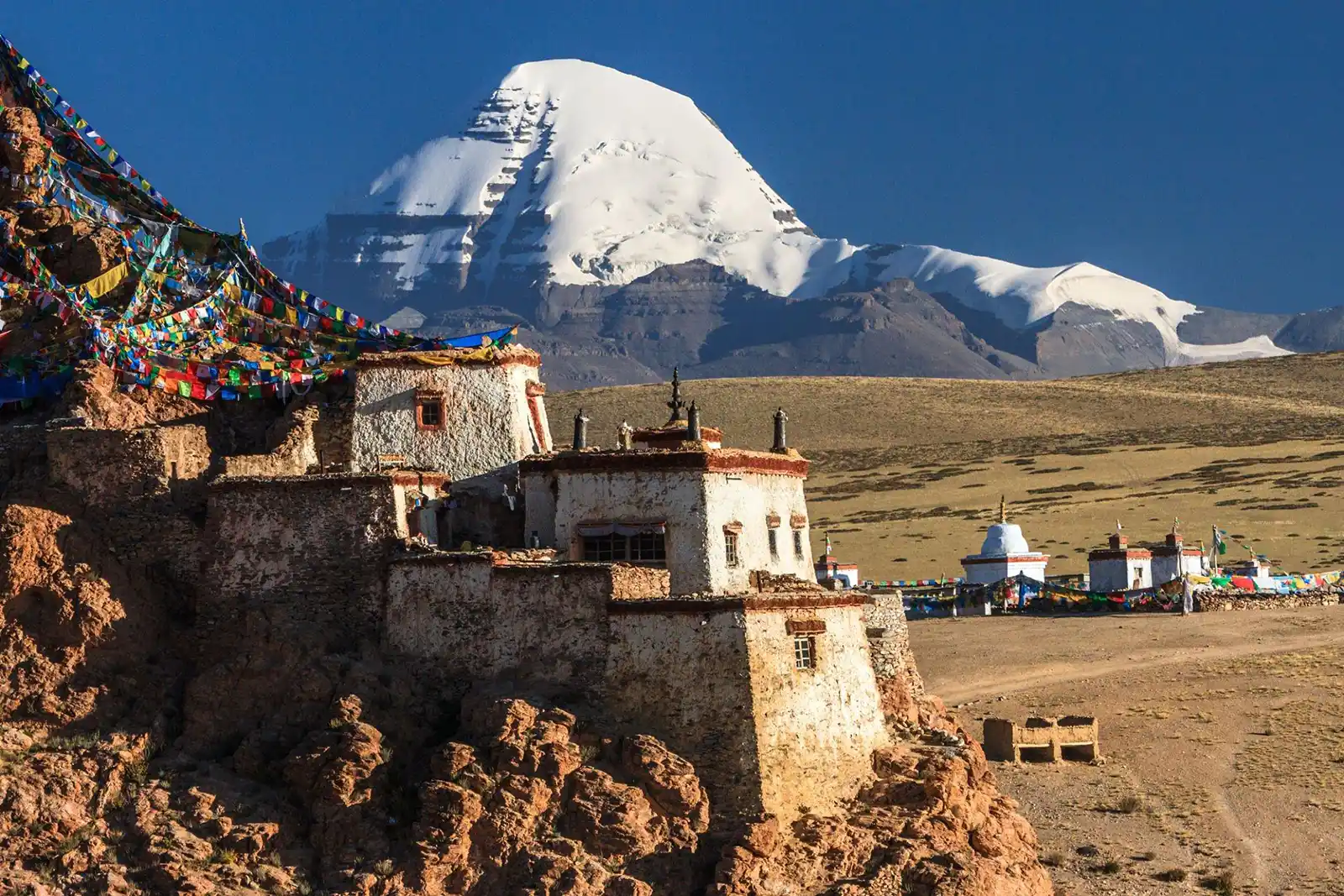
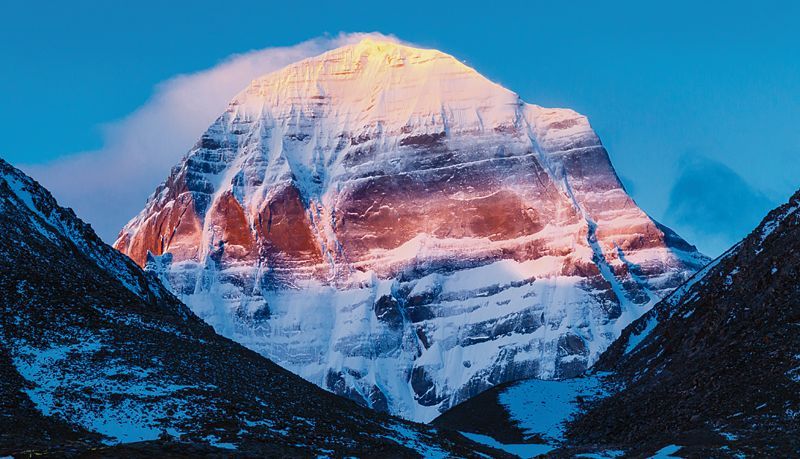
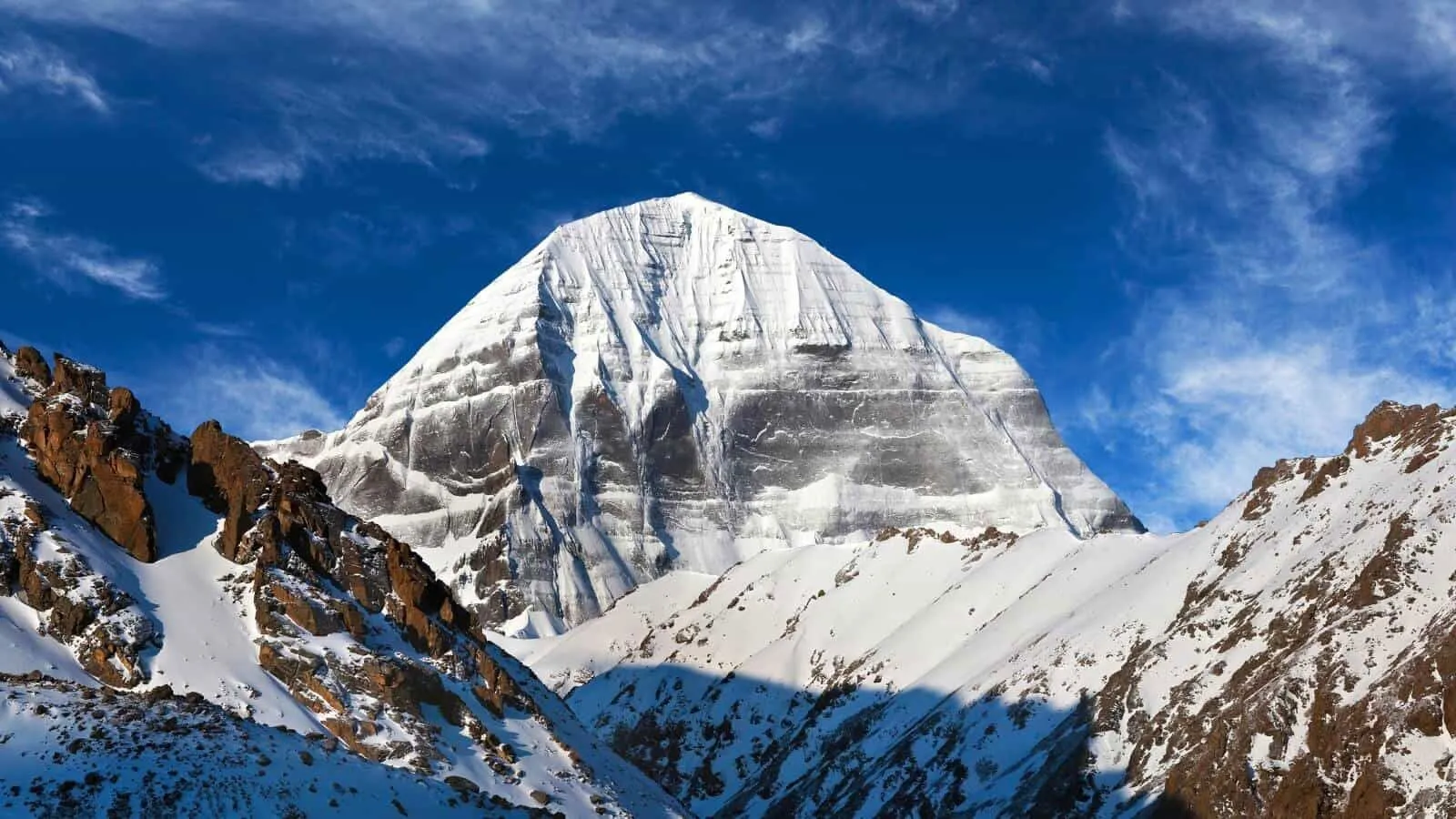
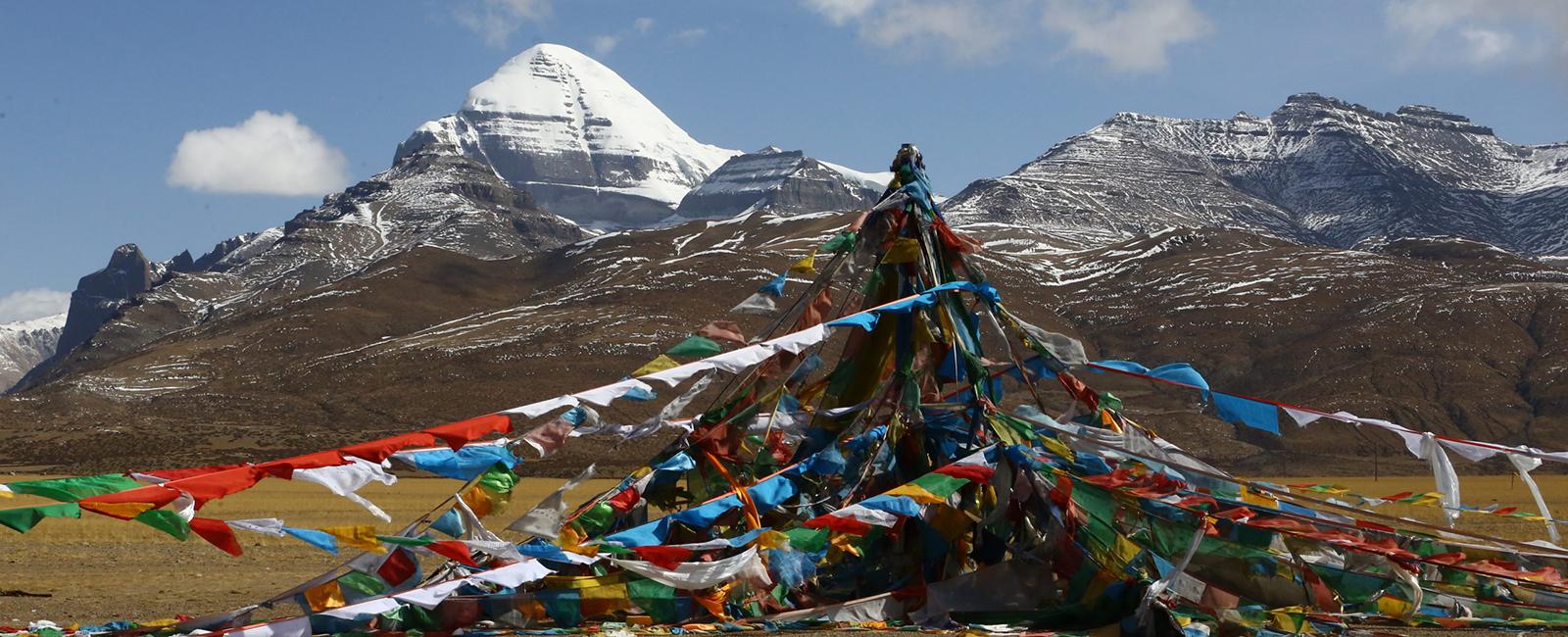
Nestled in the remote Ngari Prefecture of Tibet, China, Mount Kailash stands majestically at 6,638 meters (21,778 feet) in the Transhimalaya’s Kailash Range. Revered as a spiritual beacon in Hinduism, Buddhism, Jainism, and Bon, this pyramid-shaped, snow-capped peak is often called the "center of the universe." Known as Kang Rinpoche ("Precious Snow Mountain") in Tibetan, it’s a pilgrimage destination rather than a climber’s conquest, as scaling the mountain is prohibited to honor its sacred status.
Spiritual Significance
Mount Kailash holds profound meaning across multiple faiths:
Hinduism: Believed to be the abode of Lord Shiva and Parvati, it symbolizes divine consciousness and liberation.
Buddhism: Associated with Demchok (Chakrasamvara), it represents enlightenment and is linked to the mythical Mount Meru, the cosmic axis.
Jainism: The site where Rishabhanatha, the first Tirthankara, attained liberation.
Bon: Considered the spiritual seat of the deity Shenrab Miwo and the axis of the Bon cosmos.
This convergence of beliefs makes Kailash a unique symbol of unity, drawing devotees and spiritual seekers worldwide.
The Kailash Kora: A Pilgrimage of a Lifetime
The kora, a 52-kilometer circumambulation around Mount Kailash, is a sacred journey believed to cleanse sins, accrue merit, and bring pilgrims closer to enlightenment. Typically completed in 2-3 days on foot, the trek navigates rugged terrain at altitudes between 4,600 and 5,630 meters. Key highlights include:
Dolma La Pass: The highest point at 5,630 meters, symbolizing the shedding of past burdens.
Dirapuk and Zutulpuk Monasteries: Historic resting points offering basic accommodations and spiritual ambiance.
Four Prostration Points: Sacred spots for reflection and prayer, facing the mountain’s cardinal directions.
Pilgrims often pair the kora with a visit to Lake Manasarovar, 40 kilometers away, a serene lake revered for its purifying qualities. The journey demands physical endurance due to high altitude, unpredictable weather, and basic facilities, but the spiritual rewards are unparalleled.
Practical Information for Visitors
Getting There
Mount Kailash’s remote location requires careful planning:
Permits: Travelers need a Tibet Travel Permit, Alien’s Travel Permit, and Military Permit, obtainable through authorized tour operators.
Routes: Common access points are via Kathmandu, Nepal (overland or flight to Lhasa), or direct flights to Ngari Gunsa Airport.
Best Time to Visit: May to September offers milder weather, though conditions remain challenging.
Preparation Tips
Physical Fitness: Acclimatize to high altitudes to avoid altitude sickness.
Gear: Pack warm clothing, sturdy trekking shoes, and high-energy food.
Guides: Local guides and porters are recommended for safety and navigation.
Respect Local Customs: Dress modestly, avoid climbing attempts, and follow eco-friendly practices.
Accommodation
Basic guesthouses and tented camps are available in towns like Darchen, the starting point of the kora. Expect minimal amenities due to the region’s remoteness.
Why Visit Mount Kailash?
Whether you’re a spiritual seeker, cultural enthusiast, or adventure traveler, Mount Kailash offers a transformative experience. Its untouched beauty, profound symbolism, and challenging pilgrimage route create a journey that resonates long after you leave. The mountain’s mystique, coupled with the serene Lake Manasarovar, invites reflection and connection with something greater.
Plan Your Journey
Ready to embark on this sacred adventure? Contact our trusted travel partners for tailored itineraries, or explore our resources for permit guidance and travel tips. Let Mount Kailash inspire your soul.