7 Day Small Group tour
7 days group tour
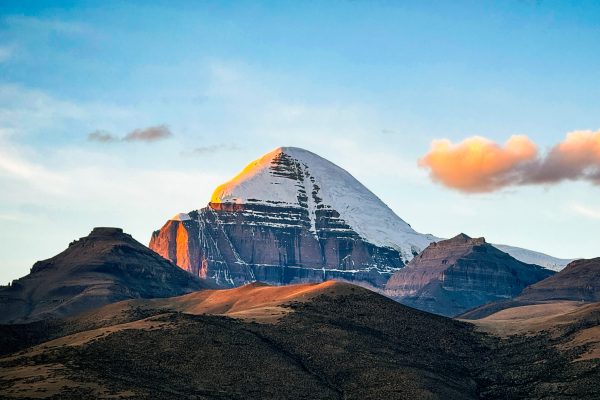
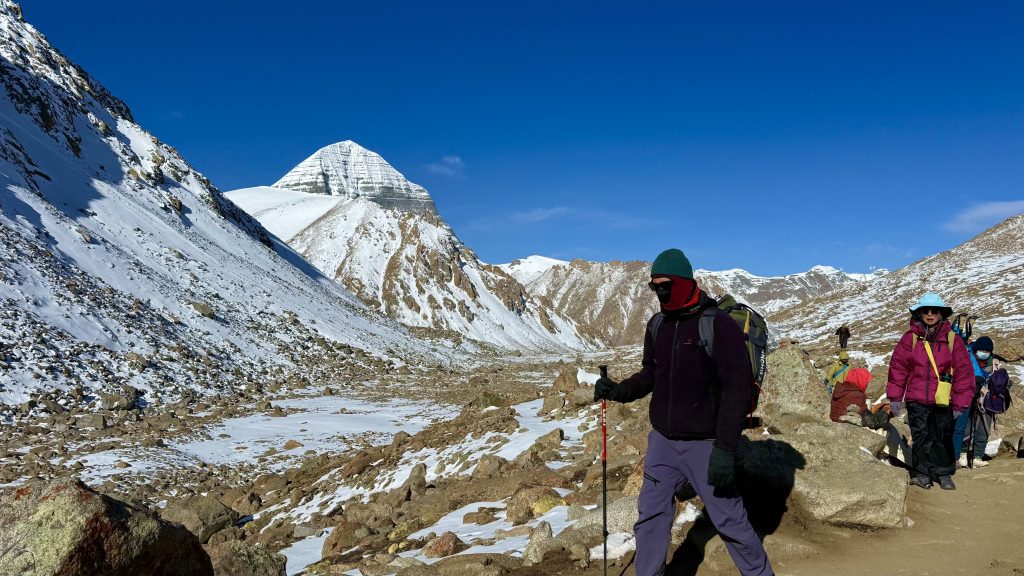
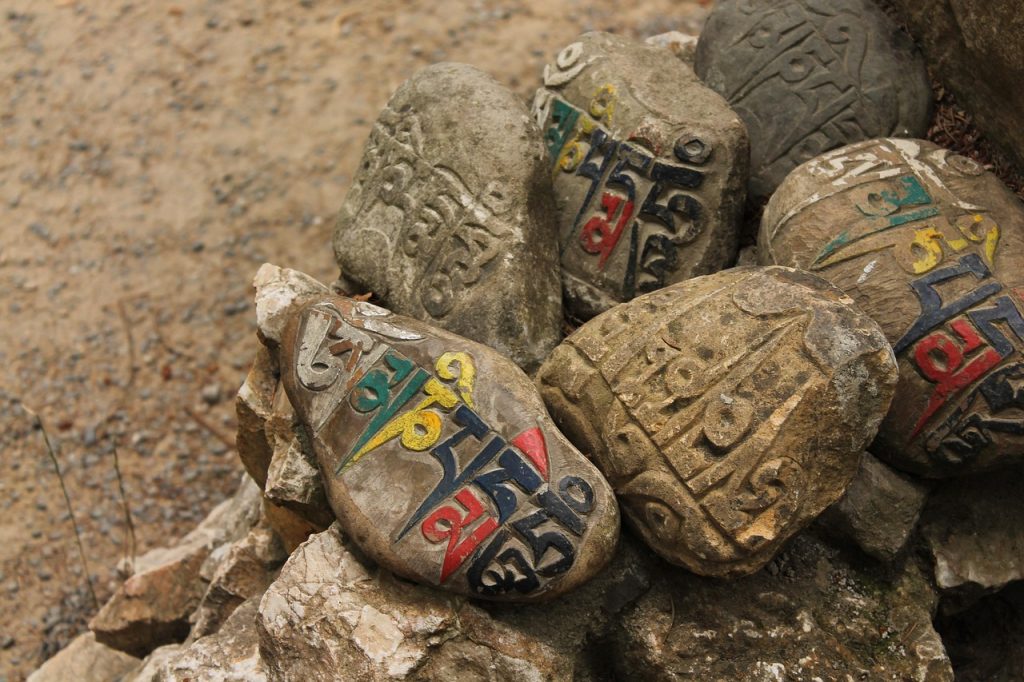
Mount Kailash
Mount Kailash, a towering peak in the remote Tibetan Himalayas, is not only one of the most majestic mountains on Earth but also one of the most sacred.
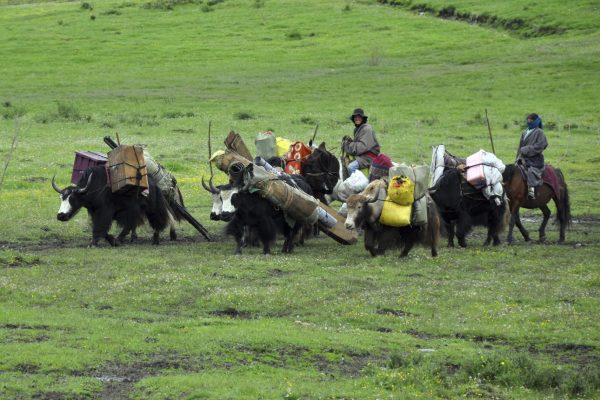
Nomadic Area
From ancient meditation caves to remote highland villages, horseback rides to yurt stays—this journey offers a deeply personal connection with the land and its people.
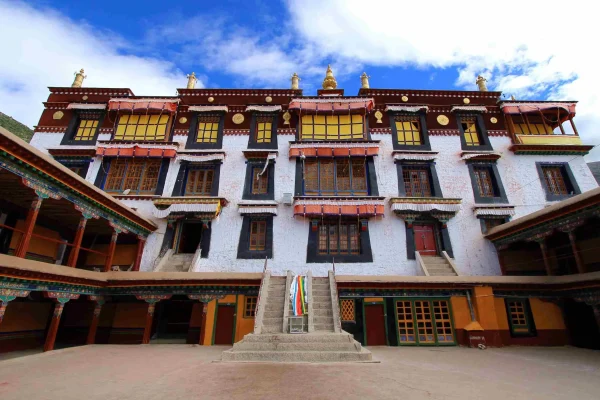
Drubshi Village
Drubshi village is also known as Lhasa Pu. Drushi village holds a remarkable history that spans over 700 years, tracing back to the era when Tsongkapa established the Ganden Monastery.
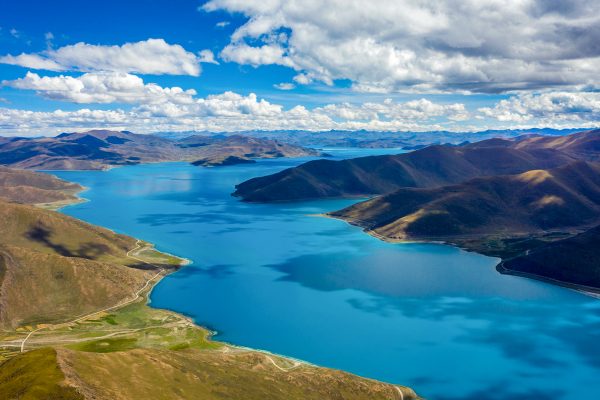
Yamdrok Lake
Fusce eget metus ut diam condimentum sodales. Nunc ante arcu, tincidunt luctus
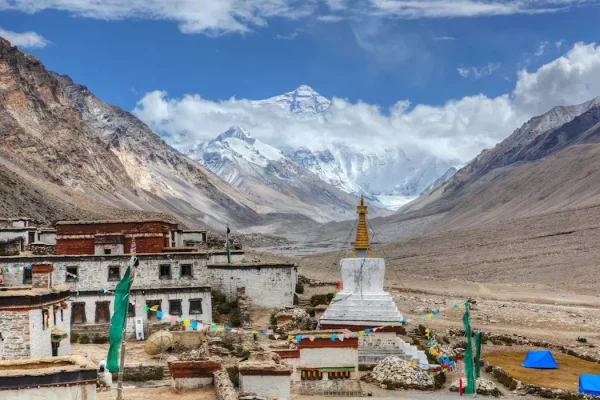
Everest Base Camp
Everest Base Camp offers some clear advantages for a more comfortable, scenic, and culturally immersive experience
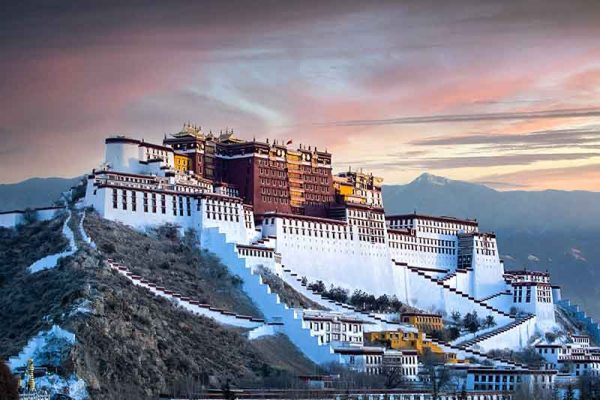
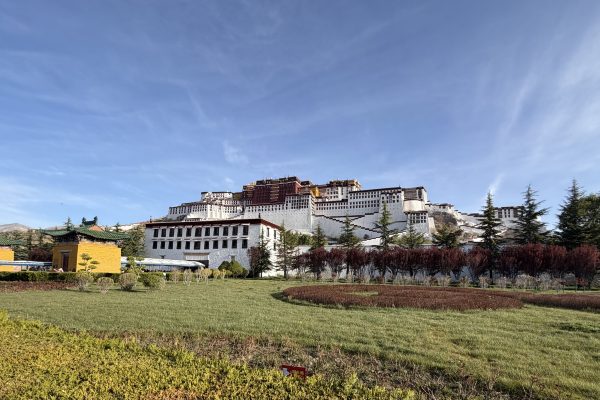

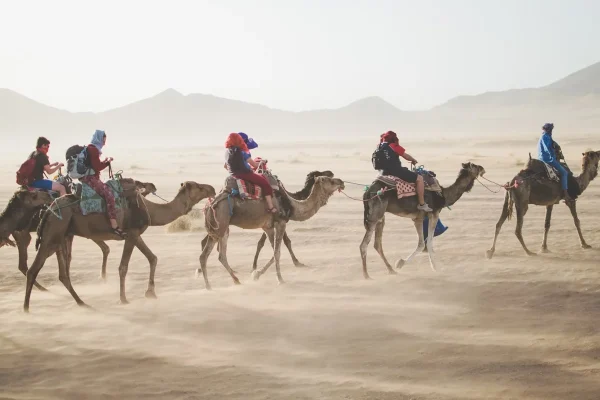
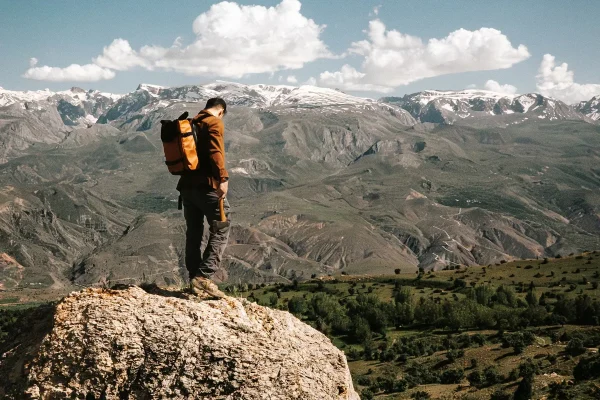
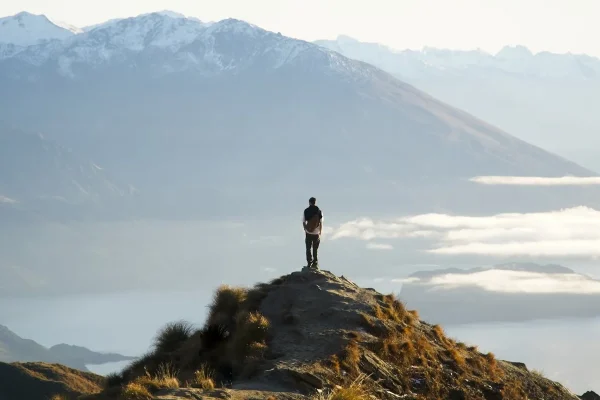
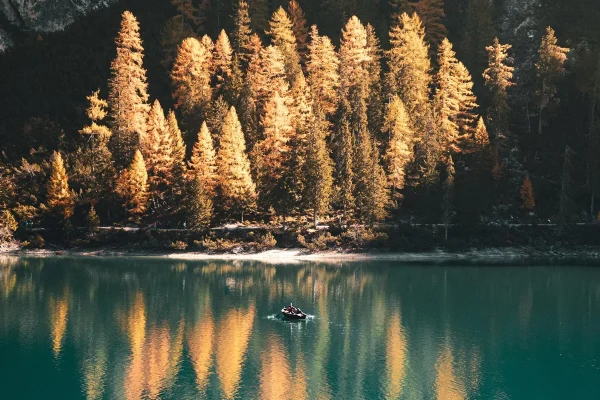




Everest Base Camp
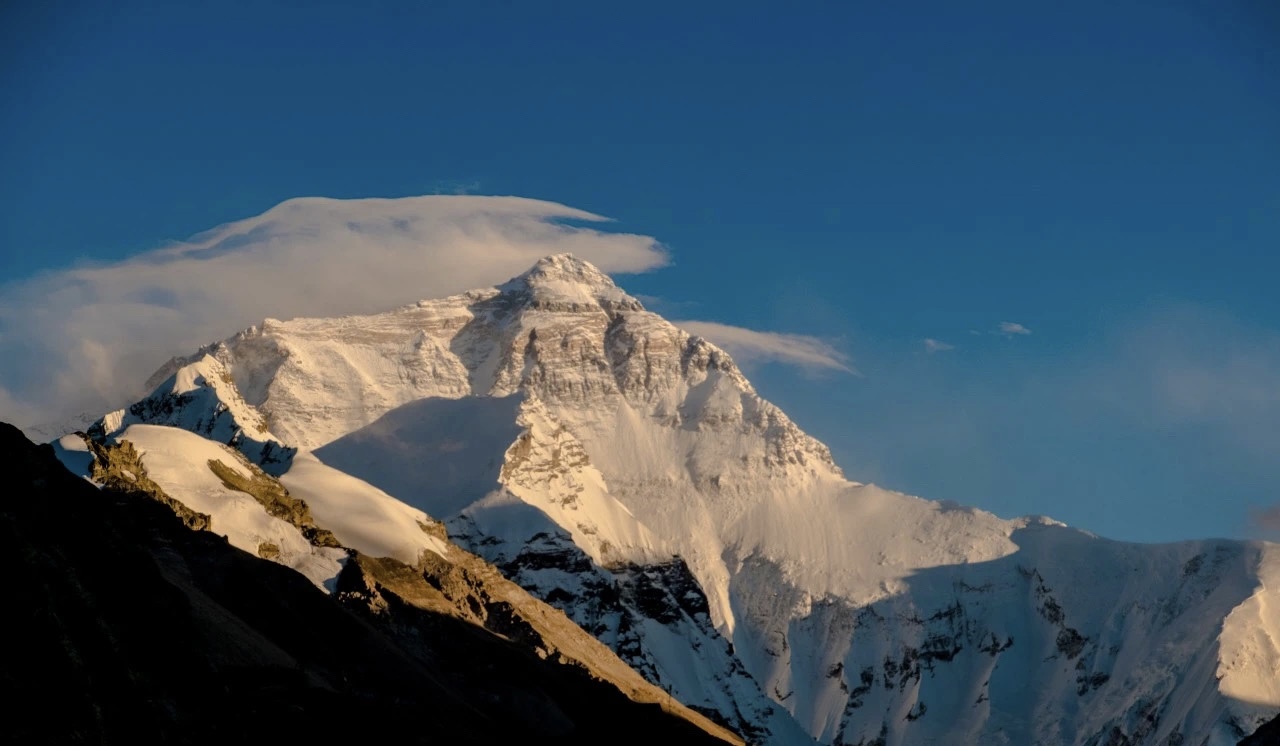
About Everest Base Camp Tibet Located on the northern side of Mount Everest in Tibet, Everest Base Camp (EBC) offers a unique perspective of the world’s highest peak. Situated at an altitude of approximately 5,200 meters, this iconic destination is a bucket-list adventure for trekkers and mountaineers alike. Unlike the southern route in Nepal, the Tibetan route provides a more remote and serene experience, with breathtaking views of the Himalayan range and a deep dive into Tibetan culture. Travelers can explore the rugged landscapes, visit ancient monasteries like Rongbuk, and witness the majestic Everest from a vantage point unlike any other. The journey to EBC Tibet is both a physical and spiritual adventure, offering a chance to connect with nature and the rich heritage of the region. Why Visit?
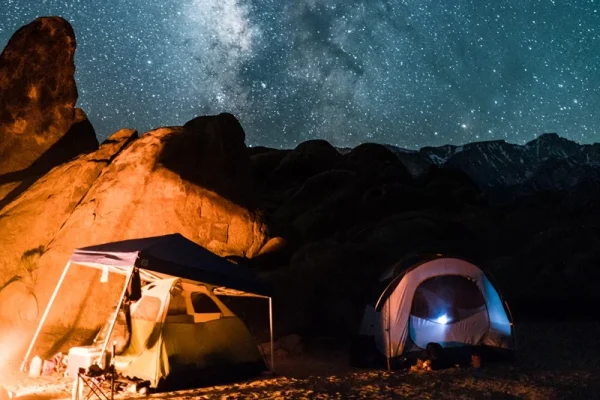
Nomadic Area
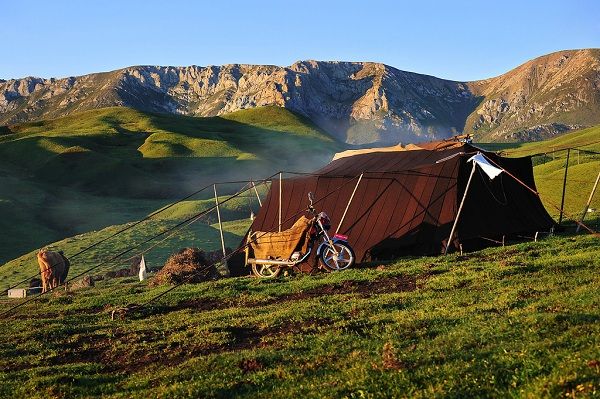
Nomadic Tibet - Discover the Heart of the Plateau About Tibet’s Nomadic Areas Tibet’s nomadic regions offer a rare glimpse into a timeless way of life on the vast Tibetan Plateau, often called the "Roof of the World." The nomads, known as Drokpa, roam the high-altitude grasslands of areas like the Changtang Plateau, Amdo, and Kham, herding yaks, sheep, and goats. Living at elevations often exceeding 4,000 meters, these resilient communities move with the seasons, their lives intricately tied to the rhythms of the land. Their traditional lifestyle, centered around yak-hair tents and pastoral traditions, has thrived for centuries, offering visitors an authentic encounter with one of the world’s last nomadic cultures. A journey to these regions immerses you in the heart of Tibetan culture. Stay with nomadic families in their sturdy black tents, share hearty meals of tsampa (roasted barley flour) and butter tea, and witness their daily routines of herding and crafting. The vast, open landscapes—dotted with grazing yaks, turquoise lakes, and snow-capped peaks—create a backdrop of unparalleled beauty. From vibrant nomadic festivals to quiet moments under star-filled skies, this experience blends adventure, spirituality, and cultural discovery. Why Visit? Authentic Cultural Immersion: Live alongside Tibetan nomads, learning their ancient traditions and stories passed down through generations. Stunning Natural Beauty: Explore the untouched Changtang Plateau, with its rolling grasslands, shimmering lakes, and distant Himalayan peaks. Unique Hospitality: Enjoy the warmth of nomadic families, sharing meals and gaining insights into their resilient way of life. Nomadic Festivals: Witness colorful celebrations, such as horse-racing festivals, filled with music, dance, and traditional attire. Serenity and Solitude: Escape to a world of tranquility, far from crowded tourist trails, where nature and culture intertwine. Highlights of Your Nomadic Adventure Stay in a Yak-Hair Tent: Experience life as a nomad, sleeping in traditional tents designed to withstand the plateau’s harsh conditions. Herding with Nomads: Join nomads as they tend to their yaks and sheep, learning the skills of pastoral life. Cultural Exchange: Engage with local families, hearing stories of their heritage and spiritual connection to the land. Photography Opportunities: Capture the dramatic landscapes, vibrant festivals, and daily life of the Drokpa against the backdrop of the Tibetan Plateau. Explore Sacred Sites: Visit nearby monasteries or sacred lakes, such as Namtso, which hold deep spiritual significance for Tibetans. Call to Action Ready to step into the world of Tibet’s nomads? Join one of our carefully crafted tours to the nomadic heartlands of Tibet. Contact us today to plan your unforgettable adventure and connect with a culture that thrives in harmony with the land.
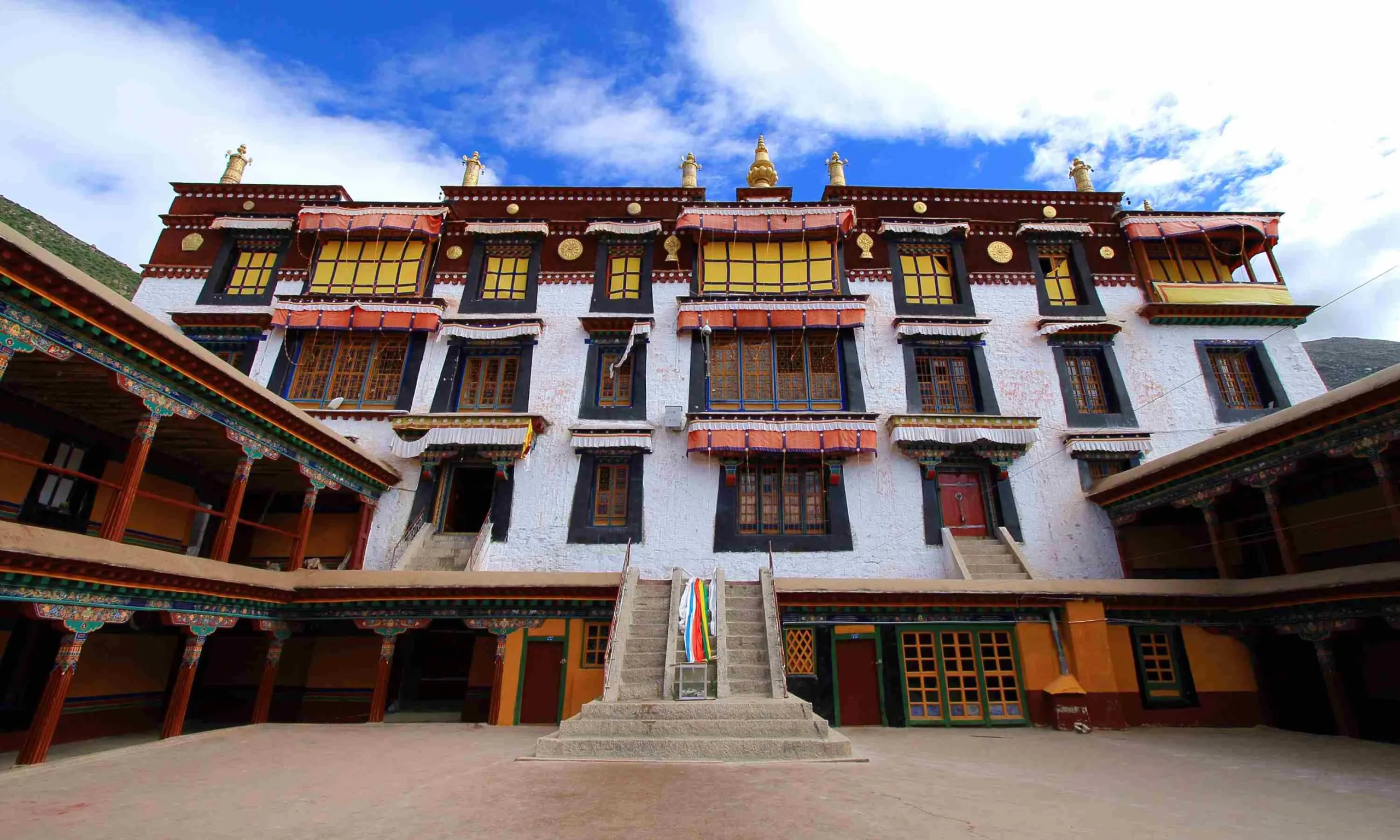
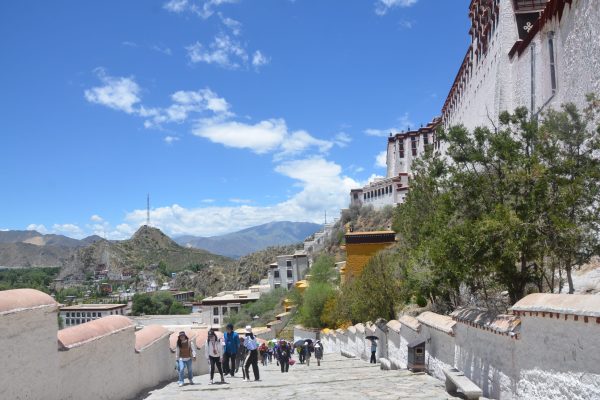
Drubshi Village
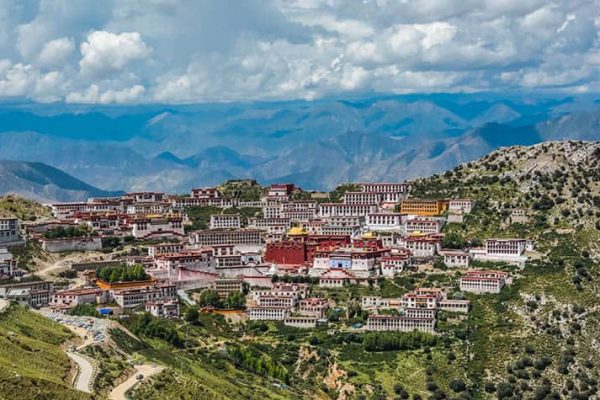
Drubshi Village Tibet - A Glimpse into Authentic Tibetan Life About Drubshi Village Nestled near the historic Ganden Monastery, approximately 60 kilometers east of Lhasa, Drubshi Village (also spelled Dropshi or Trubshi) offers an authentic window into traditional Tibetan village life. Situated at an altitude of about 3,400 meters, this tranquil hamlet is surrounded by rolling hills and pastoral landscapes, where yaks graze and prayer flags flutter against a backdrop of rugged mountains. Drubshi is a perfect destination for travelers seeking to escape the bustle of city life and immerse themselves in the serene, time-honored traditions of rural Tibet. Visiting Drubshi Village allows you to connect with local Tibetan families, witness their daily routines, and experience the warmth of their hospitality. From sharing a cup of butter tea to exploring the village’s pastoral charm, this destination offers a cultural journey that complements the spiritual significance of nearby Ganden Monastery. The village is part of a popular family-friendly tour route, ideal for those looking to blend cultural immersion with light trekking and scenic beauty. Why Visit? Authentic Village Experience: Engage with local families to learn about their customs, from herding yaks to preparing traditional meals like tsampa. Proximity to Ganden Monastery: Explore one of Tibet’s most sacred sites, founded in 1409, and witness the lively monk debates in its courtyard. Scenic Beauty: Enjoy the picturesque pastoral scenes of Drubshi, with its green fields, grazing livestock, and serene river valleys. Family-Friendly Trekking: Take part in a gentle trek around the village, suitable for all ages, including families with children and seniors. Cultural Immersion: Visit local homes and the nearby Dickey Orphanage, founded by a compassionate Tibetan woman, to support and learn about the community. Highlights of Your Drubshi Village Adventure Stay with Local Families: Spend time in traditional Tibetan homes, sharing meals and stories to gain insight into their resilient way of life. Trekking Around Drubshi: Embark on a short, easy trek through the village’s countryside, surrounded by stunning views of the Tibetan landscape. Visit Ganden Monastery: Discover the spiritual heart of the region, with its historic architecture and vibrant monastic life, just a short distance from Drubshi. Support the Dickey Orphanage: Bring donations like children’s clothes or school supplies to this privately funded orphanage, home to dozens of children, and learn about its inspiring mission. Photography and Serenity: Capture the charm of rural Tibet, from prayer wheels spinning in the breeze to the tranquil beauty of the village’s surroundings. Call to Action Ready to experience the authentic charm of Drubshi Village? Join our small group or private tours to explore this hidden gem of Tibet, where tradition and tranquility await. Contact us today to customize your journey and create unforgettable memories in the heart of the Tibetan Plateau.
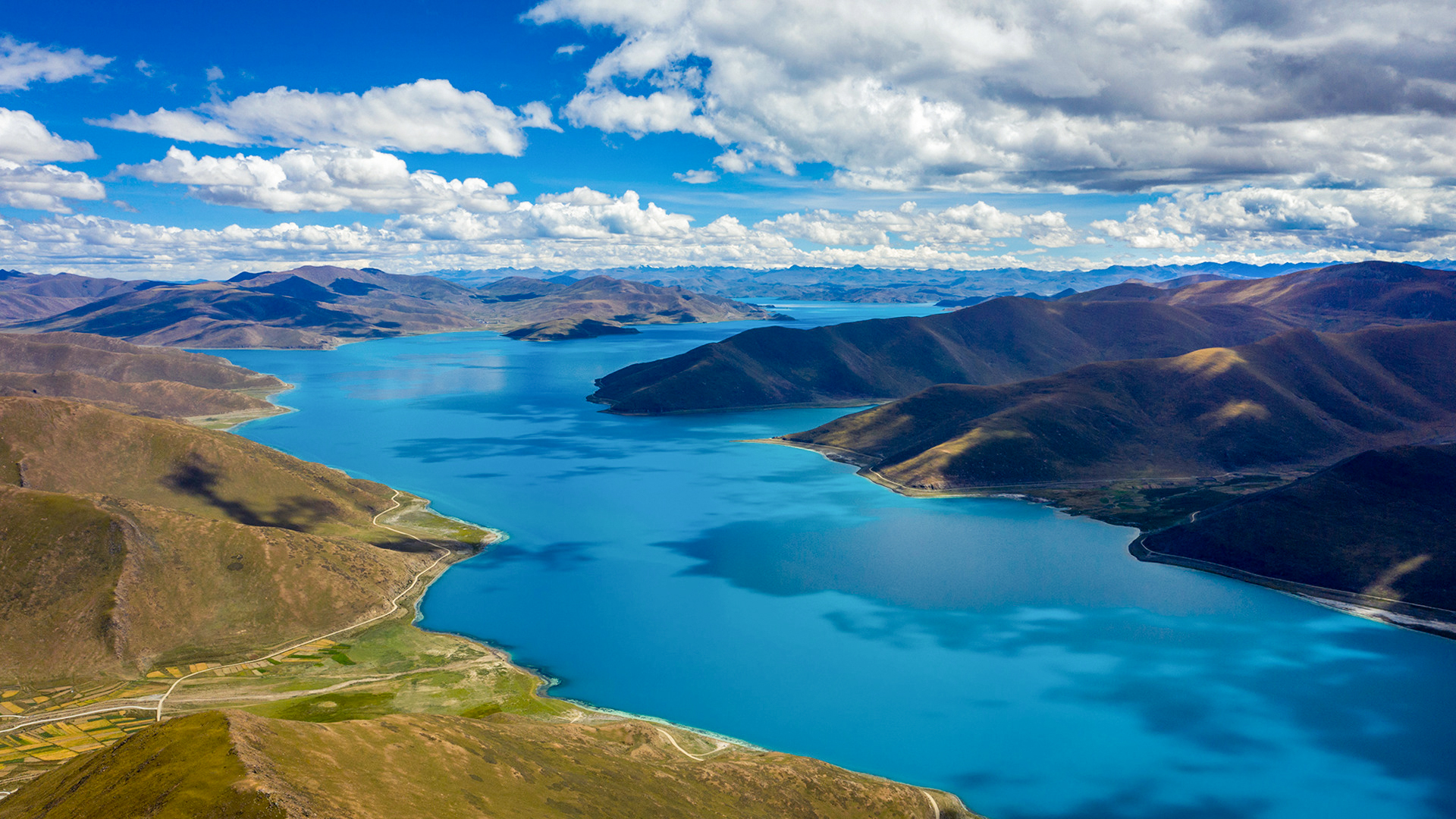
Yamdrok Lake
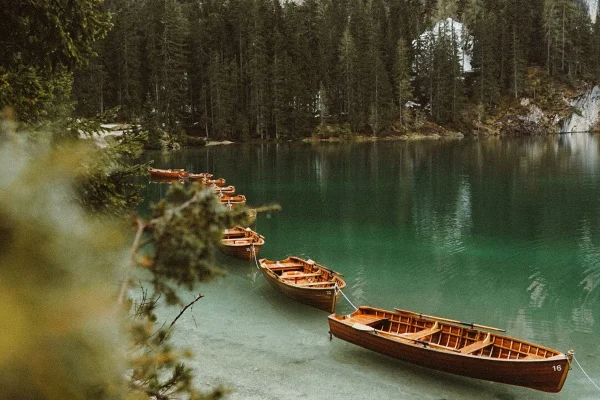
Yamdrok Lake: Tibet’s Turquoise Jewel Introduction to Yamdrok Lake Nestled in the heart of Tibet, Yamdrok Lake, also known as Yamdrok Yumtso, is one of the region’s three holiest lakes, alongside Manasarovar and Namtso. Located in Shannan Prefecture, about 100 kilometers southwest of Lhasa, this stunning turquoise lake sits at an elevation of 4,441 meters (14,570 feet). Spanning 72 kilometers in length and surrounded by snow-capped peaks, Yamdrok’s serene beauty and spiritual significance make it a must-visit destination for travelers and pilgrims alike. Spiritual and Cultural Significance Yamdrok Lake holds a sacred place in Tibetan Buddhism and local culture: Spiritual Center: Considered a "life-power lake," Yamdrok is believed to embody the female deity Dorje Gegkyi Tso, symbolizing wisdom and compassion. Pilgrims visit to seek blessings and spiritual renewal. Protector of Tibet: According to legend, the lake’s waters safeguard Tibet’s spiritual and cultural heritage, with its turquoise hue reflecting divine purity. Local Traditions: The lake is a site for rituals, prayer flag offerings, and circumambulation (kora) by devout Tibetans, especially during festivals like Saga Dawa. Its vibrant colors and tranquil setting also inspire artists, photographers, and spiritual seekers, making it a cultural gem of the Tibetan plateau. Exploring Yamdrok Lake Yamdrok Lake offers breathtaking vistas and unique experiences: Scenic Beauty: The lake’s crystal-clear waters reflect the surrounding Nyenchen Tanglha Mountains, creating postcard-worthy views, especially at sunrise or sunset. Samding Monastery: Perched on a hill overlooking the lake, this historic monastery is one of the few led by a female incarnate lama, the Dorje Phagmo. Visitors can explore its ancient chapels and soak in panoramic views. Yamdrok Kora: While less common than the Mount Kailash kora, some pilgrims undertake a sacred circumambulation of the lake, a journey spanning several days. Photography and Wildlife: The lake’s shores are home to migratory birds, yaks, and Tibetan nomads, offering a glimpse into the region’s pastoral life. The lake’s high altitude and vast expanse create a serene yet awe-inspiring atmosphere, perfect for reflection and exploration. Practical Information for Visitors Getting There Yamdrok Lake is relatively accessible compared to other Tibetan destinations: Permits: A Tibet Travel Permit is required, obtainable through authorized tour operators. Additional permits may be needed for specific routes. Routes: The lake is a popular day trip from Lhasa, reachable via a 2-3 hour drive along the Friendship Highway (G318). Organized tours often include stops at the Kamba La Pass (4,794 meters) for stunning lake views. Best Time to Visit: April to October offers pleasant weather, with clear skies ideal for photography. Winters are cold but less crowded. Preparation Tips Altitude Awareness: At over 4,400 meters, altitude sickness is a risk. Acclimatize in Lhasa for 1-2 days before visiting. Gear: Bring warm layers, sunglasses, sunscreen, and a hat to protect against high-altitude UV rays and unpredictable weather. Respect Local Customs: Avoid littering, respect sacred sites, and ask permission before photographing locals or rituals. Guides: Local guides enhance the experience with insights into the lake’s cultural and spiritual significance. Accommodation While Yamdrok itself has limited lodging, nearby towns like Nagarze offer basic guesthouses. Most visitors stay in Lhasa and visit as a day trip. For overnight stays, expect simple accommodations with basic amenities. Why Visit Yamdrok Lake? Yamdrok Lake is more than a scenic wonder—it’s a place where nature and spirituality intertwine. Its shimmering waters, sacred history, and proximity to Lhasa make it an accessible yet profound addition to any Tibetan journey. Whether you’re drawn by its beauty, seeking spiritual connection, or simply exploring Tibet’s cultural treasures, Yamdrok promises an unforgettable experience. Plan Your Visit Ready to discover the turquoise splendor of Yamdrok Lake? Contact our trusted travel partners for curated itineraries, or explore our resources for permit guidance and travel tips. Let Yamdrok’s serene beauty captivate your heart.
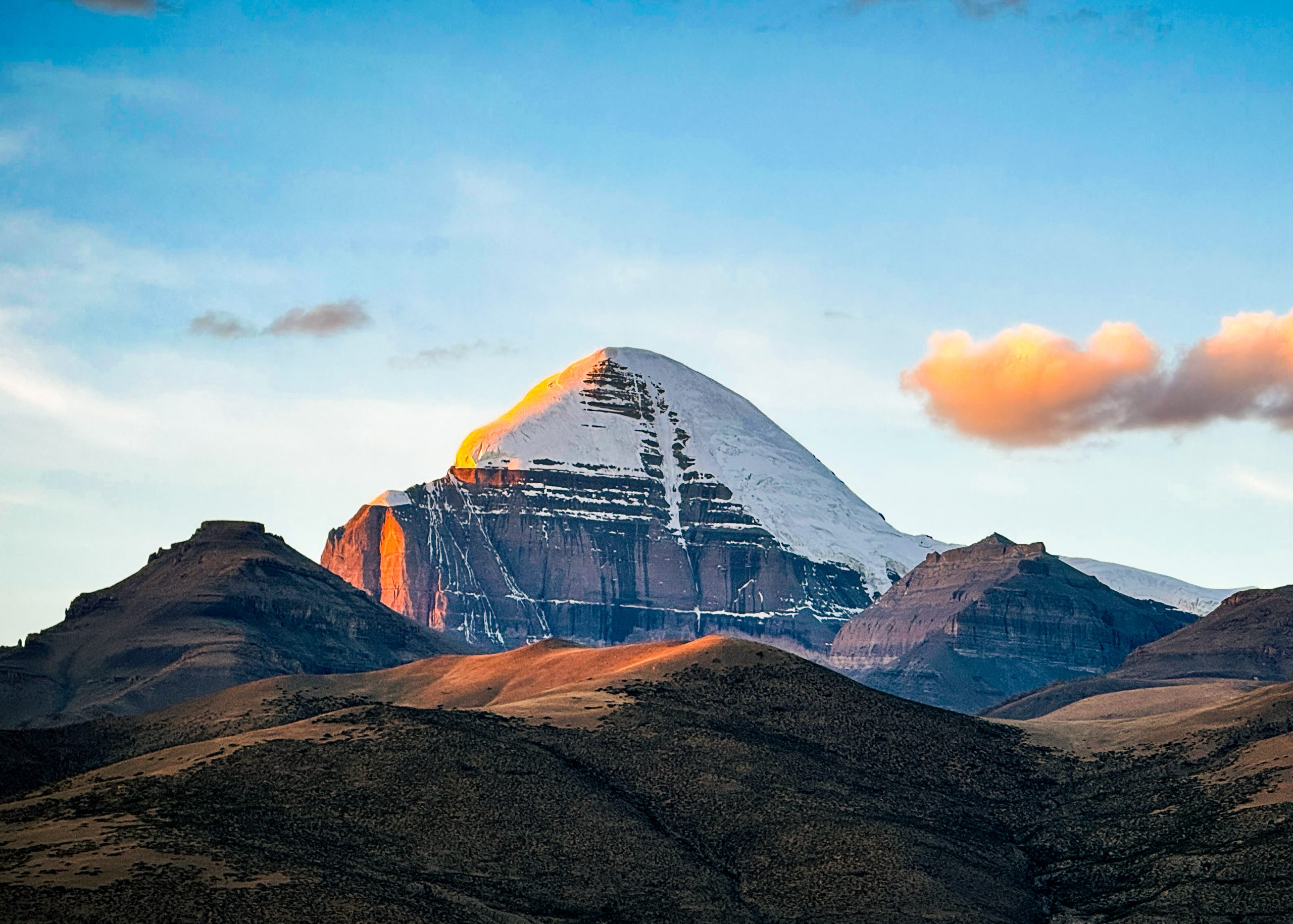
Mount Kailash
Mount Kailash: The Sacred Summit of Spirituality Introduction to Mount Kailash Nestled in the remote Ngari Prefecture of Tibet, China, Mount Kailash stands majestically at 6,638 meters (21,778 feet) in the Transhimalaya’s Kailash Range. Revered as a spiritual beacon in Hinduism, Buddhism, Jainism, and Bon, this pyramid-shaped, snow-capped peak is often called the "center of the universe." Known as Kang Rinpoche ("Precious Snow Mountain") in Tibetan, it’s a pilgrimage destination rather than a climber’s conquest, as scaling the mountain is prohibited to honor its sacred status. Spiritual Significance Mount Kailash holds profound meaning across multiple faiths: Hinduism: Believed to be the abode of Lord Shiva and Parvati, it symbolizes divine consciousness and liberation. Buddhism: Associated with Demchok (Chakrasamvara), it represents enlightenment and is linked to the mythical Mount Meru, the cosmic axis. Jainism: The site where Rishabhanatha, the first Tirthankara, attained liberation. Bon: Considered the spiritual seat of the deity Shenrab Miwo and the axis of the Bon cosmos. This convergence of beliefs makes Kailash a unique symbol of unity, drawing devotees and spiritual seekers worldwide. The Kailash Kora: A Pilgrimage of a Lifetime The kora, a 52-kilometer circumambulation around Mount Kailash, is a sacred journey believed to cleanse sins, accrue merit, and bring pilgrims closer to enlightenment. Typically completed in 2-3 days on foot, the trek navigates rugged terrain at altitudes between 4,600 and 5,630 meters. Key highlights include: Dolma La Pass: The highest point at 5,630 meters, symbolizing the shedding of past burdens. Dirapuk and Zutulpuk Monasteries: Historic resting points offering basic accommodations and spiritual ambiance. Four Prostration Points: Sacred spots for reflection and prayer, facing the mountain’s cardinal directions. Pilgrims often pair the kora with a visit to Lake Manasarovar, 40 kilometers away, a serene lake revered for its purifying qualities. The journey demands physical endurance due to high altitude, unpredictable weather, and basic facilities, but the spiritual rewards are unparalleled. Practical Information for Visitors Getting There Mount Kailash’s remote location requires careful planning: Permits: Travelers need a Tibet Travel Permit, Alien’s Travel Permit, and Military Permit, obtainable through authorized tour operators. Routes: Common access points are via Kathmandu, Nepal (overland or flight to Lhasa), or direct flights to Ngari Gunsa Airport. Best Time to Visit: May to September offers milder weather, though conditions remain challenging. Preparation Tips Physical Fitness: Acclimatize to high altitudes to avoid altitude sickness. Gear: Pack warm clothing, sturdy trekking shoes, and high-energy food. Guides: Local guides and porters are recommended for safety and navigation. Respect Local Customs: Dress modestly, avoid climbing attempts, and follow eco-friendly practices. Accommodation Basic guesthouses and tented camps are available in towns like Darchen, the starting point of the kora. Expect minimal amenities due to the region’s remoteness. Why Visit Mount Kailash? Whether you’re a spiritual seeker, cultural enthusiast, or adventure traveler, Mount Kailash offers a transformative experience. Its untouched beauty, profound symbolism, and challenging pilgrimage route create a journey that resonates long after you leave. The mountain’s mystique, coupled with the serene Lake Manasarovar, invites reflection and connection with something greater. Plan Your Journey Ready to embark on this sacred adventure? Contact our trusted travel partners for tailored itineraries, or explore our resources for permit guidance and travel tips. Let Mount Kailash inspire your soul.
Lorem ipsum dolor sit amet, consectetur adipiscing elit. Phasellus sit amet quam et diam bibendum sollicitudin sed vitae nisi. Sed sit amet lorem dolor. Nulla nisl diam, aliquet non ultricies eget, ultricies bibendum eros. Integer vitae tincidunt est, nec fermentum lacus.
Lorem ipsum dolor sit amet, consectetur adipiscing elit. Phasellus sit amet quam et diam bibendum sollicitudin sed vitae nisi. Sed sit amet lorem dolor. Nulla nisl diam, aliquet non ultricies eget, ultricies bibendum eros. Integer vitae tincidunt est, nec fermentum lacus.
Lorem ipsum dolor sit amet, consectetur adipiscing elit. Phasellus sit amet quam et diam bibendum sollicitudin sed vitae nisi. Sed sit amet lorem dolor. Nulla nisl diam, aliquet non ultricies eget, ultricies bibendum eros. Integer vitae tincidunt est, nec fermentum lacus.